
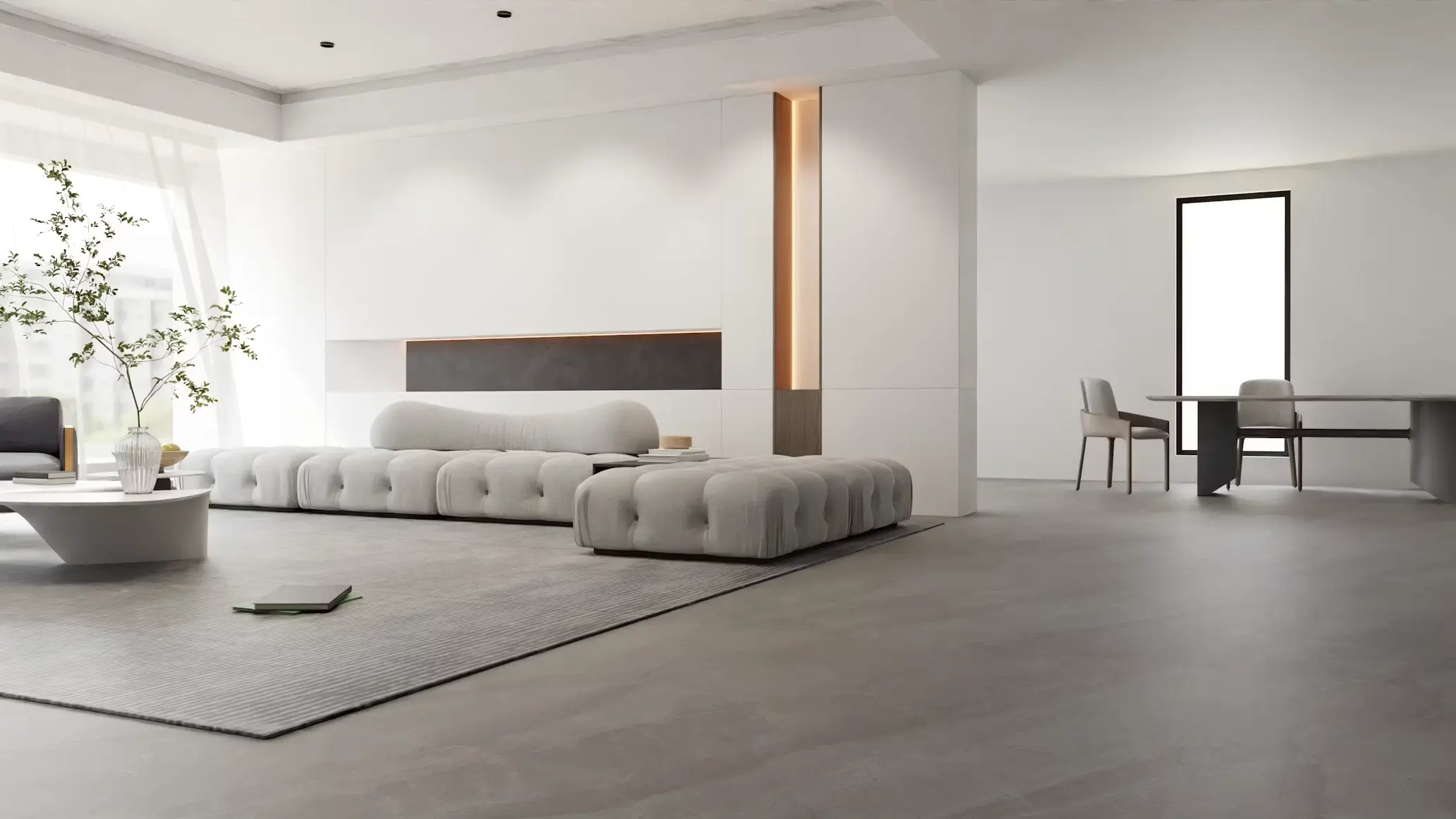
How Studio Nova Shortened Client Approval from 8 Weeks to 10 Days Using AI Design Tools
A three-person interior design studio used AI visualization and shoppable staging to compress an 8-week concept approval process down to 10 days, nearly doubling revenue per designer.
Interior design is a slow art. Clients expect it to take time. But there's a difference between a process that unfolds thoughtfully and one that simply stalls — and for a high-end residential design practice, the gap between those two things can cost you a client.
When "Patience" Becomes a Business Problem
Studio Nova (name changed) is a three-person interior design practice based in Austin, Texas: a principal designer with fourteen years of experience, one junior designer, and a project coordinator. Their work is high-end residential — whole-home renovations, new construction interiors, and occasional vacation property projects for repeat clients. Projects typically run between $180,000 and $600,000 in total budget, with the studio's design fee representing 15 to 18 percent of that figure.
By any creative measure, the studio was doing well. Their portfolio was strong. Client referrals were consistent. But a pattern had developed in their project intake that was quietly limiting their capacity and frustrating clients who came in expecting a modern, responsive design experience.
The concept approval phase — the period between the first design presentation and the client signing off on a direction — was averaging six to eight weeks. Multiple rounds of revised mood boards. Sourcing options that didn't quite land. Clients who said "I love it but I'm not sure" and needed more to react to before they could commit. And a sourcing process that required the junior designer to spend two to three days manually pulling product options from vendor catalogs after each concept revision.
The Breaking Point
The tipping point came in the form of a lost client — and a frank conversation about why.
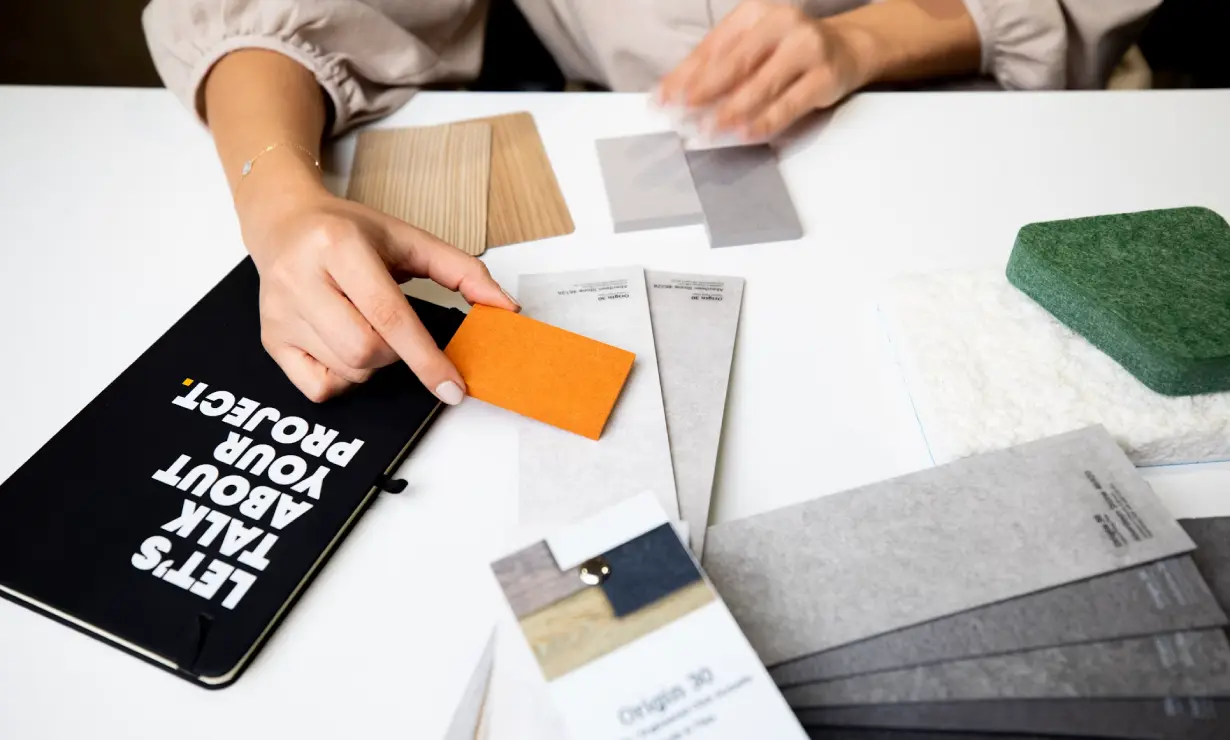
A referral client had engaged the studio for a whole-home renovation project in the Hill Country. After eight weeks of back-and-forth on the primary living spaces — three presentation rounds, multiple mood board revisions, two sourcing packages — the client called to end the engagement. Her reason, delivered politely but directly: she had expected the process to be faster given the studio's fees, and she had found another designer who worked with AI visualization tools that had shown her options she could react to and decide on in the first meeting.
The principal designer followed up to understand what that experience had looked like. The competing designer had used an AI visualization tool to generate twelve styled room versions during a two-hour first meeting — different material palettes, different furniture configurations, different lighting moods — and the client had walked out of that meeting knowing which direction she wanted to pursue.
"Eight weeks of work, and a client left because someone else showed her more options in two hours," the principal said. "That was the moment I stopped thinking AI visualization was optional."
The Tools That Changed the Workflow
AI visualization: concept exploration at the speed of conversation
The studio began evaluating AI interior design tools and settled on InteriorAI as the primary option for early-stage concept visualization — uploading reference photos or room images and generating styled versions across different aesthetics quickly enough to use during client meetings.
The workflow change was significant. Instead of preparing a polished mood board between meetings and presenting it at a formal milestone, the principal designer now begins client conversations with a visual exploration session. A client mentions they're drawn to "warmth but not traditional" — the designer generates four or five variations on screen, the client reacts, the designer narrows, generates more specific options, and within an hour there's a clear direction that previously would have taken two or three rounds of offline preparation to arrive at.
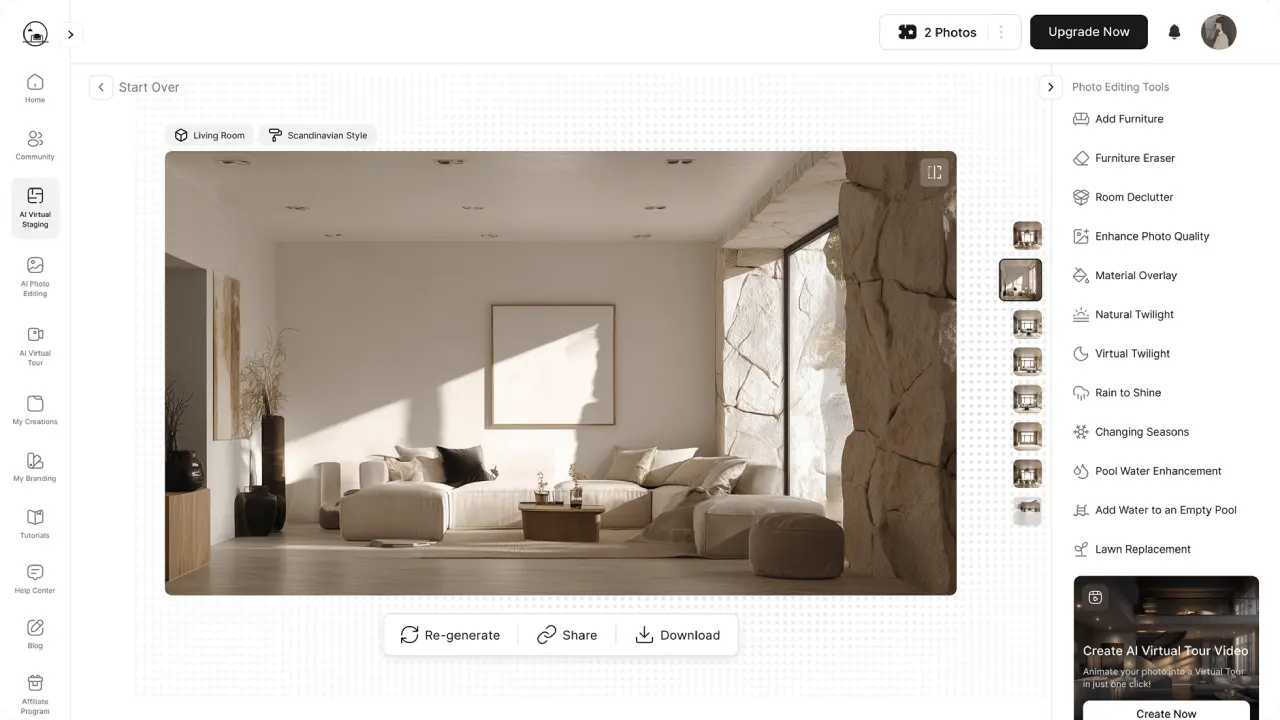
The visual quality of these early-stage explorations isn't portfolio-ready. But that's not the point. The point is giving clients enough to react to that they can make decisions rather than staying stuck in vague preference territory.
AI shoppable staging: closing the gap between concept and product
The second problem was sourcing time. After each concept round, the junior designer would spend two to three days manually pulling furniture, textiles, and lighting options from vendor catalogs — cross-referencing lead times, checking client budget parameters, and assembling options into a presentation format.
The studio began using AI staging tools with shoppable product integration to accelerate this process. Rather than sourcing from scratch, the AI generates a styled room with furniture options linked to real, purchasable products — giving the junior designer a starting point to refine rather than a blank slate to fill. The manual curation and client-specific adjustment still happens, but the two-to-three-day sourcing process has compressed to four to six hours.
AI writing: proposals and project documentation
A smaller but consistent time saving came from using AI writing tools for project proposals, scope-of-work documents, and client-facing milestone summaries. The studio developed a brief template covering project scope, design intent, key parameters, and client profile — and uses it to generate first drafts that the principal reviews and personalizes before sending.
For a practice where the principal designer was previously writing most client communications herself, this removed several hours of administrative writing per project per week.
The Results, Four Months Later
| Metric | Before | After |
|---|---|---|
| Average concept approval time | 6-8 weeks | 8-10 days |
| Sourcing time per concept round | 2-3 days | 4-6 hours |
| Design directions shown in first meeting | 1-2 | 8-12 |
| Projects active simultaneously | 3 | 5 |
| Revenue per designer (annualized) | baseline | ~2x |
| Client satisfaction score | 7.8/10 | 9.1/10 |
The capacity increase — from three to five concurrent active projects with the same team — was the largest financial impact. At the studio's average design fee, one additional concurrent project represents roughly $35,000 to $80,000 in additional annual revenue per project slot added.
Client satisfaction scores also improved, which the principal attributed not to the AI tools themselves but to the change in client experience: faster feedback loops, more options to react to, and less time spent in the ambiguous "waiting to see what they come back with" phase that clients find frustrating regardless of the final output quality.
What This Means for Interior Design Studios
The Studio Nova story is ultimately about the pace of collaboration. Clients in the high-end residential market are paying significant fees and have high expectations for responsiveness. A process that requires weeks between touchpoints — even when the work in between is excellent — can feel out of step with those expectations.
AI visualization tools don't change the designer's creative judgment. They change how quickly that judgment can be communicated and tested. The difference between showing a client two options after two weeks and showing them twelve options in the first meeting isn't about working less carefully — it's about removing the production time between the idea and the image.
I spent fourteen years learning to understand what clients actually want. The AI didn't change that skill. It just stopped making them wait six weeks while I translated it into something they could see.
Browse AI tools for interior design studios
Explore Tools →Tools Used in This Case Study
The reviewed tools behind the results above — read our full review or try them yourself.
- InteriorAI★ 4.2
The visualization tool Studio Nova adopted — styled room versions fast enough to use live in client meetings.
- RoomGPT★ 4.0
A lighter-weight alternative for quick room restyles when you're testing this workflow.
- Collov AI★ 4.4
AI staging with shoppable product matching — the concept-to-product gap closer.
Some links above are affiliate links — we may earn a commission at no extra cost to you. See our affiliate disclosure.